 |
|
|
|
|
|
|
|
|
|
|
|
|
|
|
|
|
|
|
|
|
|
|
 |
|
|||||||||||||||||||||
 |
 |
 |
|
|||||||||||||||||||
 |
 |
 |
|
|||||||||||||||||||
 |
 |
 |
|
|||||||||||||||||||
 |
 |
 |
 |
 |
|
|||||||||||||||||
 |
 |
|
||||||||||||||||||||
 |
 |
|
||||||||||||||||||||
 |
 |
 |
 |
 |
 |
 |
 |
 |
 |
 |
 |
|
||||||||||
 |
 |
 |
 |
|
||||||||||||||||||
 |
|
|||||||||||||||||||||
 |
|
|||||||||||||||||||||
 |
|
|||||||||||||||||||||
 |
|
|||||||||||||||||||||
 |
|
|||||||||||||||||||||
 |
|
|||||||||||||||||||||
 |
 |
 |
 |
 |
 |
 |
 |
 |
 |
 |
 |









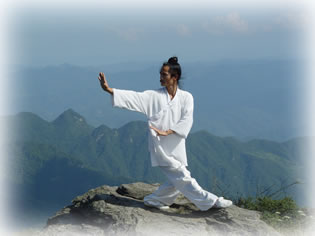
Introduction to Baguazhang The Chinese word Baguazhang, when broken down by character, literally translates to 'Eight Trigram Palm'. The style derives its name and history from the Chinese book of divination, the Yi Jing, or 'The Book of Changes'. Baguazhang derives much of its practice from Daoist ritualistic circle walking and theory. Its practice and application is based on the principles and theories of the Yi Jing, Yin Yang Theory, and Five Element Theory. Baguazhang is one of the internal styles taught at the academy and can be characterized by its main foundation building training known as Bagua circle walking, major use of the palm and fingers for striking, and indirect circular attacks. Health Benefits of Practicing Baguazhang The basic practices of walking the Bagua circle and standing in the different still postures of Bagua can be greatly beneficial to one’s overall health.Walking the Bagua circle can help with strengthening the legs as well as promoting better joint mobility, flexibility and circulation in the lower body and establishing a greater sense of balance in the lower body.Because Bagua walking relies on constant movement for correct practice, this also engages the lungs for deeper respiration which can be greatly beneficial for strengthening the lungs as well as aerobic exercise for those looking to lose weight. As with all internal wushu practices, correct posture is important in Bagua practice.The Bagua circle walking posture is one that can greatly improve upper body flexibility and fluidity, loosen tense muscles and tendons, strengthen lower back and abdominal muscles and help to loosen up tension that is built up in the waist, back and shoulders.As one becomes more used to the straightened posture, muscles and tendons around the spine are allowed to relax while the spine itself becomes the major support for the full body posture.Improved spine posture helps to promote softer and more elastic tendons and muscles in the neck, shoulders, back, waist, and hips.By strengthening the waist, the health of the kidneys is also greatly improved. Bagua circle walking also promotes improvement in all circulatory systems of the body and can bring about a greater bodily awareness and improved focus.Through continued development in all of the Baguazhang practices, a practitioner will be able to develop internal feeling and experience a greatly fluidity in movement. The Practice As circle walking is the major foundation building component of Baguazhang training, students who train in Baguazhang must practice Bagua walking continuously. Once a student becomes comfortable with circle walking, they can then move on to learn the different palm changes that comprise the Bagua form. Baguazhang contains a variety of different techniques in application, utilizing the palm, fingers, elbows, quick, evasive footwork, kicks, joint locking, take downs, etc.An accomplished practitioner of Baguazhang can adapt their body to many different movements in striking postures and methods of attack as their body and intention has been trained to be stronger, adaptable, quick, sensitive, and fluid with improved coordination; developing a fluidity of motion that allows for adaptability much like water in a creak swimming around rocks. Fighting application of Baguazhang has been described as flying like a dragon, guarding like an ape, crouching like a tiger, and circling like an eagle.
|

Wudang Taoist Traditional Kung Fu Academy |
|
| Website: http://www.wudanggongfu.com | E-Mail: wudang.wushu.info@gmail.com |
| Mobile: (0086)135-978-86695 | Address: Wudangshan, Shiyan City, Hubei Province, China 442714 |
